Quick Facts
| Serving | 6 nuggets |
| Calories | 200 |
| Protein | 21g |
| Sodium | 790mg |
| Price (kids meal) | ~$7.15 |
A Number Worth Pausing On
Here’s something that doesn’t show up in most kids’ meal guides: this 6-piece kids’ portion contains 790mg of sodium — almost identical to the 765mg in our Grilled Chicken Sandwich review, an item sized and marketed for adults.
That’s not a flaw exclusive to Chick-fil-A — kids’ nuggets across the fast-food industry tend to carry adult-level sodium in smaller packages, since the breading and seasoning process doesn’t scale down with portion size. But it’s worth knowing if you’re tracking a child’s sodium intake across a full day, since this single item already accounts for roughly a third of a typical recommended daily limit for a child.
How It Actually Compares to Other Kids’ Nuggets
| Item | Serving | Calories | Protein (g) | Sodium (mg) |
|---|---|---|---|---|
| Chick-fil-A Kids Nuggets | 6 pieces | 200 | 21 | 790 |
| McDonald’s Happy Meal Nuggets | 4 pieces | 181 | 16 | 532 |
| Burger King Kids Nuggets | 4 pieces | 169 | 9 | 900 |
| Wendy’s Kids Nuggets | 4 pieces | 130 | 7 | 350 |
Two things stand out here that most comparisons miss. First, Chick-fil-A’s protein number is genuinely higher than the rest — 21g versus a range of 7–16g for competitors, even accounting for the extra two pieces. Second, Burger King’s 4-piece portion actually carries more sodium (900mg) than Chick-fil-A’s 6-piece portion despite having two fewer nuggets — proof that piece count alone doesn’t predict sodium content.
Per-Nugget Math: What One Piece Actually Costs You
Comparing whole servings hides a useful number: what does a single nugget cost you, nutritionally?
| Item | Calories per nugget | Sodium per nugget |
|---|---|---|
| Chick-fil-A | ~33 | ~132mg |
| McDonald’s | ~45 | ~133mg |
| Burger King | ~42 | ~225mg |
| Wendy’s | ~33 | ~88mg |
By this measure, Chick-fil-A and Wendy’s tie for the lowest calories per individual nugget, but Wendy’s carries noticeably less sodium per piece. If a child is eating from multiple sources across a week, this per-piece number matters more than the total serving number, since portion sizes vary so much between visits.
What’s Actually In the Breading
The nuggets are cooked in fully refined peanut oil — a detail worth knowing specifically for families managing peanut allergies, even though the refining process removes the proteins that typically trigger allergic reactions. The breading itself uses a wheat-flour base with paprika and a light spice blend, which is part of why the flavor is milder than the adult-sized nuggets some locations season more heavily.
Allergens to know: Wheat, Milk, Egg. Note the peanut oil specifically — while fully refined peanut oil is generally considered safe for most peanut allergies by FDA standards, families with severe allergies should still confirm directly with Chick-fil-A’s official allergen guidance before ordering.
The nuggets contain less than 1g of sugar per serving — a genuinely low number compared to many kids’ meal items that include sweetened sauces by default.
The Side and Drink Matter More Than the Nuggets Do
Since the nuggets themselves sit at a moderate 200 calories, the side and drink chosen alongside them end up being the bigger lever for the meal’s total nutrition:
| Side | Approx. Calories |
|---|---|
| Apple slices | ~15 |
| Fruit cup | ~60 |
| Waffle fries (kids portion) | ~250 |
| Mac & cheese (kids portion) | ~190 |
Choosing apple slices over waffle fries is a roughly 235-calorie swing — larger than any change you could make to the nuggets themselves. If sodium is the bigger concern rather than calories, the drink matters too: a sweetened lemonade adds sugar but no sodium, while nothing in the standard kids’ menu meaningfully offsets the nugget’s sodium content either way.
How to Make a Similar Version at Home
If you want a homemade version with more control over sodium specifically, here’s a straightforward process:
- Cut the chicken — boneless, skinless chicken breast cut into roughly 0.5-inch cubes to mimic the bite size.
- Build a lighter breading — mix ½ cup flour, ¼ cup cornstarch, ½ tsp paprika, ¼ tsp garlic powder, and a small pinch of salt (using less salt than a typical restaurant recipe is the main lever for cutting sodium here).
- Double-dredge — coat in the flour mix, dip in beaten egg with a splash of milk, then coat again for the layered crunch.
- Fry or air-fry — if frying, heat oil to 350°F and cook 3–4 minutes until golden; if air-frying, 400°F for about 8 minutes, flipping halfway.
- Rest before serving — letting the nuggets sit for two minutes after cooking helps the juices redistribute instead of running out on the first bite.
Sodium control tip: the restaurant version’s sodium mostly comes from the seasoning blend in the breading itself, not from any sauce. A homemade batch using a quarter of the salt called for in most copycat recipes still tastes seasoned, just less aggressively so — useful if you’re specifically trying to keep a child’s sodium intake lower without sacrificing the format entirely.
Price by Region
| Region | Avg. Kids Meal Price |
|---|---|
| Southeast (Atlanta) | $6.50–$7.00 |
| Midwest (Chicago) | $7.15–$7.50 |
| West Coast (LA) | $7.50–$8.00 |
| Northeast (NYC) | $7.50–$8.50 |
Worth noting: many locations have shifted the standard kids meal to a 5-count nugget portion rather than 6, even though “6ct” remains in the item’s name in some markets. It’s worth confirming piece count at your specific location if that matters for your ordering decision.
What’s That Long Ingredient List Actually About?
If you’ve looked up the full ingredient breakdown, you’ll likely have seen TBHQ (used to preserve the cooking oil’s freshness) and dimethylpolysiloxane (an anti-foaming agent) listed among the oil’s components. Both are standard, FDA-approved additives used broadly across the fast-food frying industry — they’re not unique to Chick-fil-A, and they don’t appear in the nugget breading itself, only in the oil used to fry items across the kitchen.
It’s reasonable for parents to want to understand what these terms mean rather than just recognizing them as “chemical-sounding.” TBHQ is an antioxidant that prevents oil from breaking down and developing off-flavors during repeated use; the anti-foaming agent simply keeps the oil from bubbling excessively during the frying process. Neither is specific to nuggets, and both appear in the same way across most chains that use shared fryers.
Is It Worth the Price Premium Over Competitors?
Comparing strictly on calories-per-dollar or protein-per-dollar, Chick-fil-A’s kids meal isn’t the cheapest option on this list — Wendy’s and McDonald’s typically undercut it on price. What Chick-fil-A offers instead is the highest protein number in the category by a meaningful margin (21g vs a 7–16g range), plus the flexibility most locations offer to swap sides and choose between a toy or a small dessert.
Whether that’s “worth it” depends on what you’re optimizing for: if protein content per meal matters to you, Chick-fil-A’s option is the strongest in this comparison. If price alone is the deciding factor, Wendy’s is the more budget option, just with meaningfully less protein per serving.
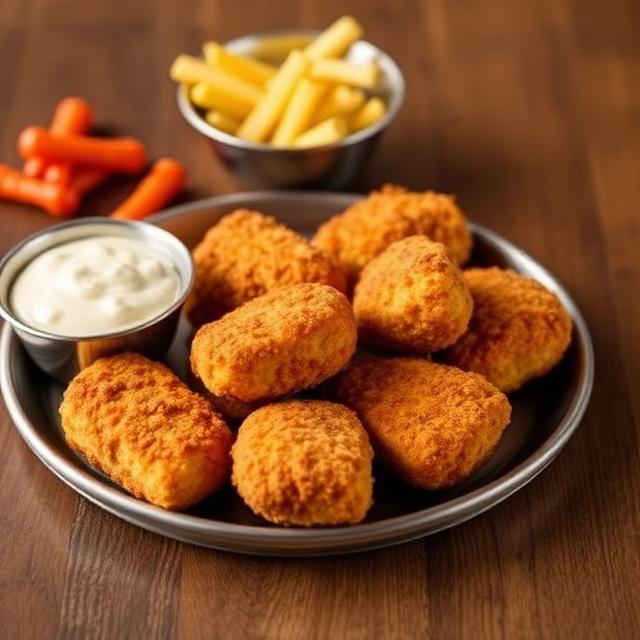
My verdict: I tried the Chick-fil-A Kids Nuggets (6ct) — the taste is kid-friendly, slightly sweet with a nice crunchy coating. The kids were excited and finished them quickly. Portion is small but appropriate for kids; get a larger size if they’re hungrier.
FAQ
How much sodium do Chick-fil-A Kids Nuggets have? 790mg for the 6-piece serving — nearly identical to the sodium content of the adult Grilled Chicken Sandwich.
Are they cooked in peanut oil? Yes, fully refined peanut oil. This is generally considered safe for most peanut allergies per FDA guidance, but families with severe allergies should verify directly with Chick-fil-A.
How many calories per individual nugget? Roughly 33 calories per piece — among the lowest per-nugget calorie counts compared to major competitors.
Is the kids meal always 6 nuggets? Not always — many locations have moved to a 5-count portion while keeping “6ct” in some menu naming. Confirm at your specific location.
How does the protein compare to other chains? Chick-fil-A leads this comparison clearly, with 21g of protein versus a 7–16g range across McDonald’s, Burger King, and Wendy’s kids’ nugget options.
This is an independent guide and is not affiliated with Chick-fil-A, Inc. Prices and availability may vary by location.

- Chick-fil-A Grilled Chicken Cool Wrap: Why “Fresh and Light” Doesn’t Mean Low Calorie - June 4, 2026
- Chick-fil-A Cobb Salad: The “Healthy” Option That’s Actually the Highest-Calorie Item on the Menu - June 3, 2026
- Chick-fil-A Market Salad: The “550 Calories” Number Doesn’t Tell the Whole Story - June 2, 2026